
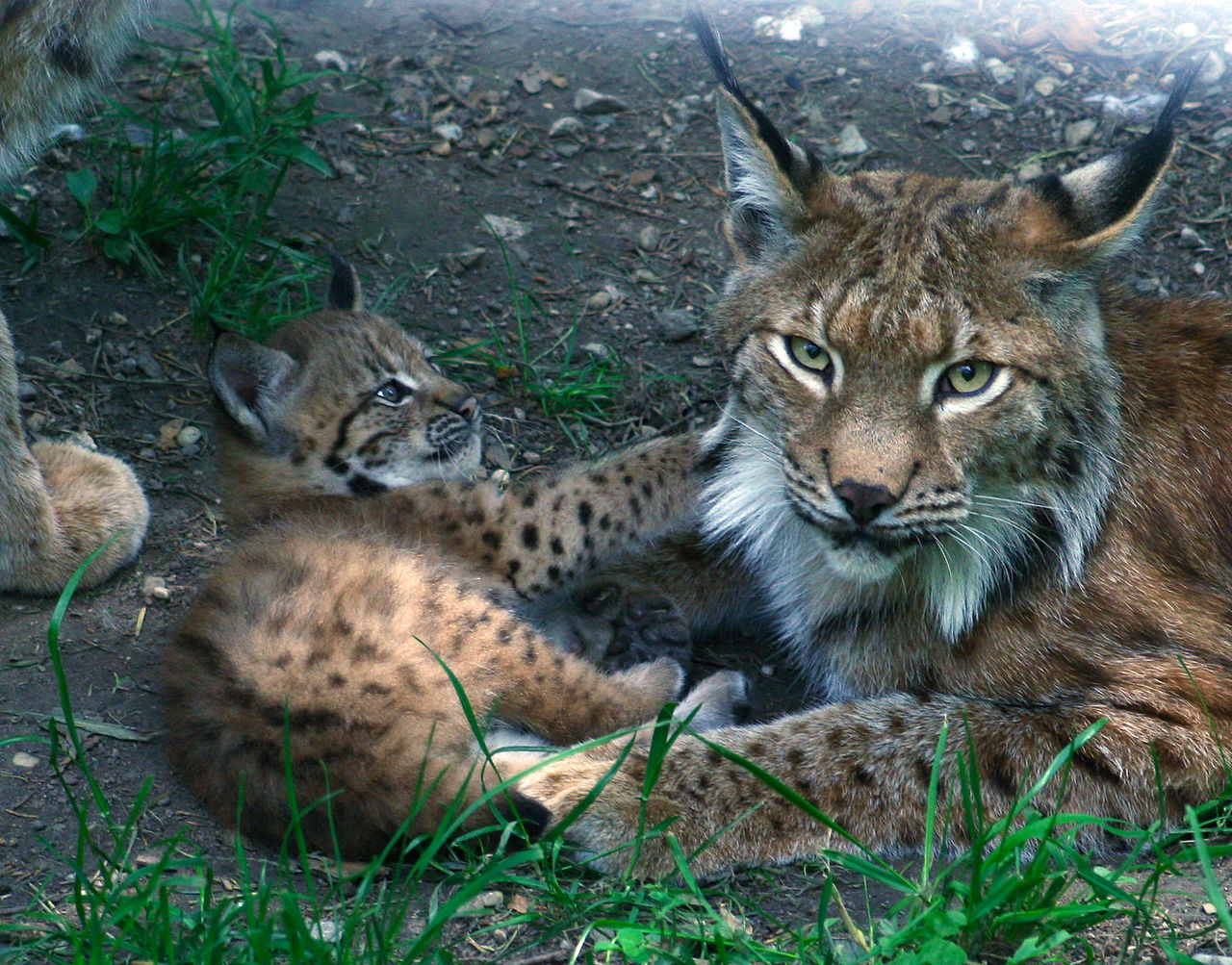
I usually philosophize in German, but I figured that directly discussing everyday topics (or news such as the title above) can also provide a lot of value. It may not always be possible to come to a satisfactory conclusion, or rather a general statement of what should be done.
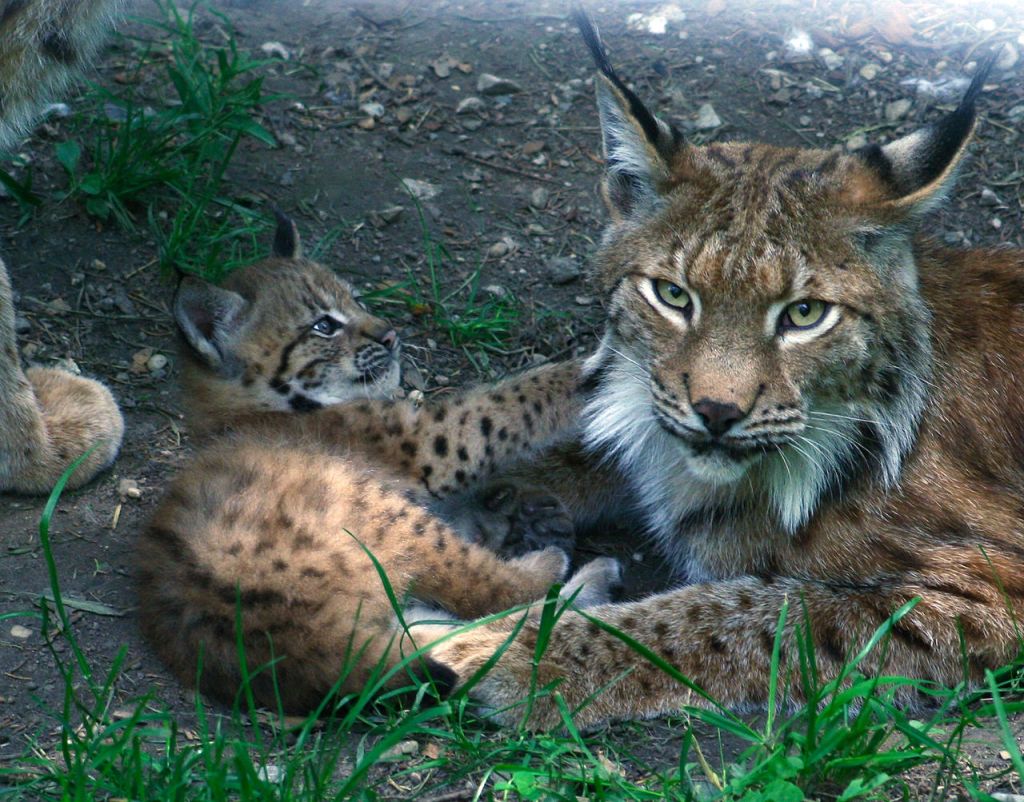
(Image source: Wikipedia)
Context
Before we begin to philosophize, let’s first get the facts so we are all on the same page:
- Donations: live chickens, rabbits, guinea pigs and horses
-> Condition for Horses: need a horse passport and should not have been treated for an illness in the previous 30 days (= no sick animals, in other words)
-> If successfully handed over, the donor will receive a tax deduction - During the weekdays (Monday to Friday), but not more than four at a time without an appointment
- Fate: the animals will be „gently euthanized“ by the staff of the zoo and then fed to the carnivores of the zoo. Next to the eurasian lynx, they also have lions and tigers.
- Aim: to provide a diet of what is similar to what they would hunt and eat in the wild.
A species-appropriate husbandry, in other words. That’s also why they keep the fur, bones and else on to make it as natural as possible. - The deputy director of the Aalborg Zoo, Pia Nielsen, said that feeding smaller livestock to the carnivores has been practiced for years. So it is quite common.
You can read the full article here: https://www.bbc.com/news/articles/c0r7z2ynd2lo
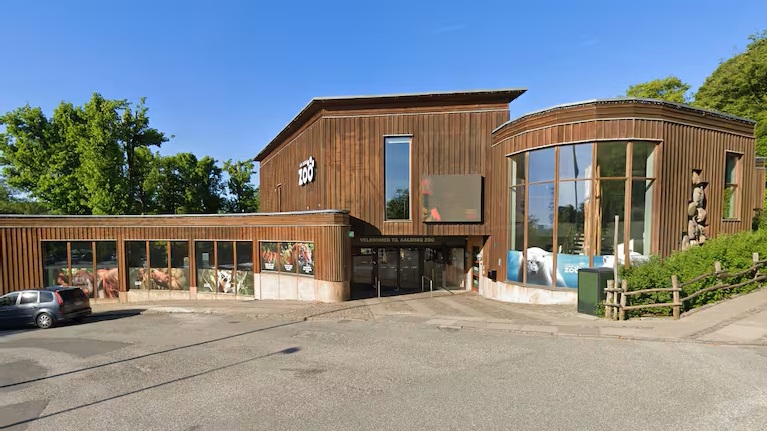
(source: 1News)
Ethics
Now we shall move on to the ethics of this request and practice. Mind you that I won’t discuss animal husbandry in zoos, as this is a discussion that would deserve an article of its own. It is merely about the three subjects: the carnivores (who need the diet for health reasons), the pets (who will be fed to the carnivores) and the individual/family (who decide to give their pet to the zoo, so it will be euthanized and fed to the carnivores).
The zoo doesn’t make a general request, so you can only donate certain pets/animals which greatly reduces the risk of potential abuse (e.g. owners who no longer want their dogs or cats because they aren’t cute anymore).
Carnivores: the lyns, the lions and the tigers seek a diet similar to what they are used to in nature. If they are only given meat that makes it impossible to recognize what it was, there may be the possibility they’ll get mentally unwell or bored. They are not treated as the wild animals they are, but rather get downgraded to pets they were never supposed to be.
Pets: their agenda is not being eaten, for the most part. In nature these smaller animals are part of an ecosystem and there would be no need for interference if they were killed by their natural predators. Unless there’s an invasive species, there’s a natural balance.
Individual/Family: they consciously have to make the decision to feed their pet or livestock to the carnivores. The latter may evoke less compassion than the former, as we tend to spend a lot of time with our pets and often consider them part of our family. So, the motivations may vary widely.
Physiocentrism vs Anthropocentrism
How we choose depends on our view on the environment: those who learn to or advocate for physiocentrism attribute value to animals, plants or nature itself and worth protecting on their own, unrelated to what value or benefits they may bring to mankind; anthropocentrism, on the other hand, puts humanity in a special position and as the only moral object (something that deserves to be respected for its own sake and deserves moral consideration), since humans are the only species that can actively defend their rights and are, generally seen, capable of making moral judgements.
This doesn’t mean the latter is fine with animal cruelty or the pollution of the environment, their line of reasoning comes closer to the former also leading to the moral barbarization of an individual and thus more prone to treat their fellow humans likewise (interpersonal) and the latter threatening the well-being of humanity (collaborative).
Ways of Argumentation: basic needs argument (= the non-human environment deserves to be protected in whole or in part, because existential needs could otherwise not be met), aesthetic of nature argument (= preservation in whole or in part, because the aesthetic needs of humans could otherwise not be satisfied) and the pedagogical argument (= goes back to Immanuel Kant who, in this Metaphyiscs, wrote that we would not fulfill a duty to ourselves if we carelessly and negligently dealt with the non-human environment. This duty is, as beings able of morality, to not destroy or stunt our morality and to develop our morality even further).
There are different gradations to physiocentrism too, some may argue that living beings that experience pain are worth of moral consideration (pathocentrism), that living beings as a whole deserve moral consideration (biocentrism) or ecosystems as a whole deserve moral consideration (holism/eco-centrism).
Note: I included the explanation of the various ways of argumentations in physiocentrism and anthropocentrism to gain a better understanding of either philosophy. It is impossible to combine both, though, since you either have humans in the center of moral consideration or (a part of) nature.
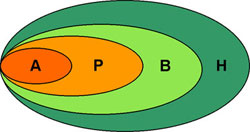
H = Holism | The further you move away from anthropocentrism, the more moral objects there are. This doesn’t mean that Holism treats everything equal, from plants to humans, but rather argues that there should be differing considerations.
For the current topic it is sufficient to view it from a pathocentristic and simple anthropocentristic view, without any further ado let’s begin.
Anthropocentrism
Those who view pets primarily as someone’s property will likely have no issue as long as there aren’t any nefarious intentions of the owner. Intra-familial questions may arise when or why a pet should be given to the zoo, so a decision against the will of the children or a husband/wife might be regarded as damaging in the long-term for social relationships.
In case of the zoo, who in turn owns the carnivores, they may incline towards Kant’s morality argument (with or without knowing it) that we have a duty to ourselves which includes treating animals with care and consideration for our own sake too.
Since the pets do not suffer and the euthanization is done by professionals, there’s no threat of moral barbarization. Given there’s a legal framework too.
Pathocentrism
Since these animals are capable of experiencing pain and have, as previously said, an own agenda of staying alive, individuals and groups who belong to this group may either oppose, favour it only under specific circumstances or remain divded.
One the one hand, there are the carnivores who deserve a diet close to what they have in nature. Otherwise it may lead to the carnivores becoming mentally unwell and suffering to an extent. On the other hand, pets shouldn’t be treated as potential food for these carnivores even if they are euthanized beforehand.
A circumstance where it could be acceptable is when a pet would have died of old age anyway, then the pet lived biologically as long as possible and it doesn’t experience pain during euthanization. Lastly, some may simply have greater sympathy for the wild animals in captivity and are okay with the euthanization (as it is painless) and the willingness of some to donate their pet to the zoo. Given there are no nefarious intentions of the latter.
Baroque’s Conclusion
I personally remain divided on it. I do recognize that the carnivores in the zoo deserve a diet that is similar to what they would eat in their wild, so I won’t condemn anyone who donates their pet to the zoo or only hesitantly did so. Before the unwanted pet ends up abandoned or suffers otherwise, them being euthanized and fed to predators is more merciful too. Perhaps there are other reasons I haven’t thought of.
It’s just the conscious decisions humans have to make that makes me uncomfortable, I personally couldn’t do it even if my pet was dying of old age (but then again, I only have cats and dogs, so only hypothetically I couldn’t do it with a smaller mammal).
In nature it is not a problem, it’s just something that happens and that is part of the ecosystem, hence no interference is required or desired.
Diet of the Eurasian Lynx
For this section I could only access the abstract of the study Diet of Eurasian lynx in the northern Dinaric Mountains (Slovenia and Croatia) by Miha Krofel, Djuro Huber and Ivan Kos.
It was published on October 1, 2011, in the Mammal Research Journal (Acta Theriologica) by Springer Nature. It’s €39.95 ($46.48) for the downloadable PDF-version:
https://link.springer.com/article/10.1007/s13364-011-0032-2
However, there’s still sufficient information to get an idea how their diet in the wild, at least this particular regional eurasian lynx who lives in Slovenia and Croatia. The authors analyzed the scats, prey remains and stomach contents from the endangered Dinaric population in Slovenia and Croatia.
During Winter and Spring, the dinaric lynx mainly killed the European roe deer Capreolus capreolus (made up 79% of all consumed biomass). Adult deers weigh between 17-22 kg, especially well developed adults up to 25 kg. During Autumn, the roebuck gets rid off its old antlers which soon after that begins to grow anew. During Spring, the roebuck rubs off the nurturing skin of its antlers from its solidified horns on small trees. This also serves as territory marking. Finally, during Winter their territories cede and they begin to gather in larger groups for the so-called leaps (Sprünge) which, before springtime, dissipate again (Deutscher Jagdverband – DJV).
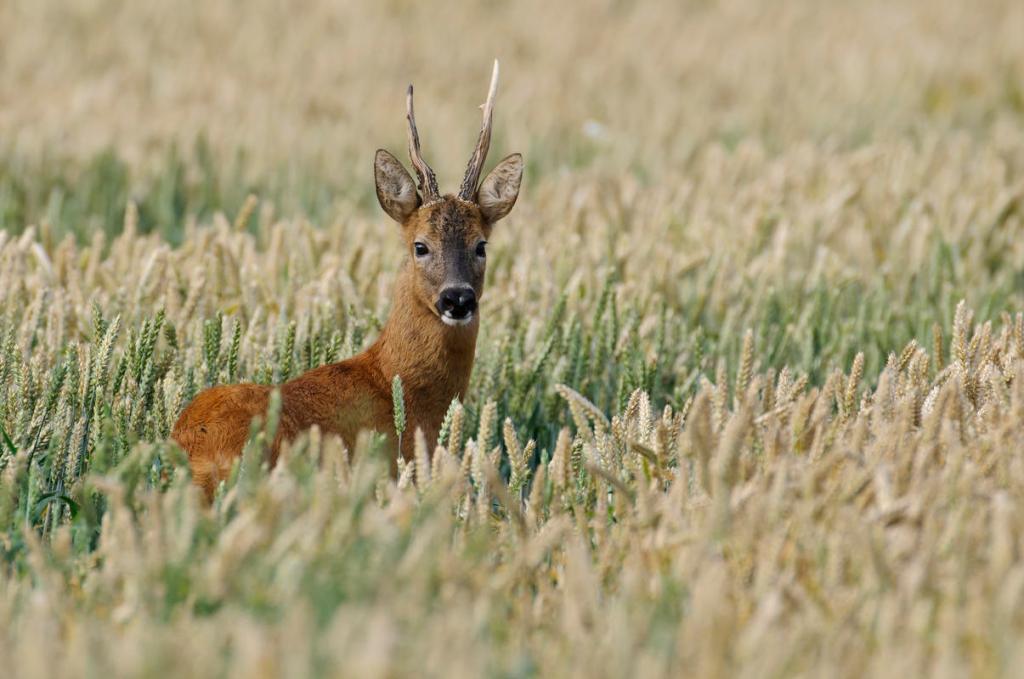
(source: Deutscher Jagdverband)
Adult males of the lynx killed ungulates more often than any other age and sex group.
Ungulates primarily consist of large mammals with hooves.
Lynx in the northern Dinaric Mountains also frequently fed on the edible dormice Glis glis (made up 7% of all consumed biomass), which was in contrast to studies from other regions. Females and young lynx in particular feed on this alternative prey, it was also the highest use of rodents that has been reported so far for the European lynx.
Their diet varies depending on the availability and variability of the large rodents.
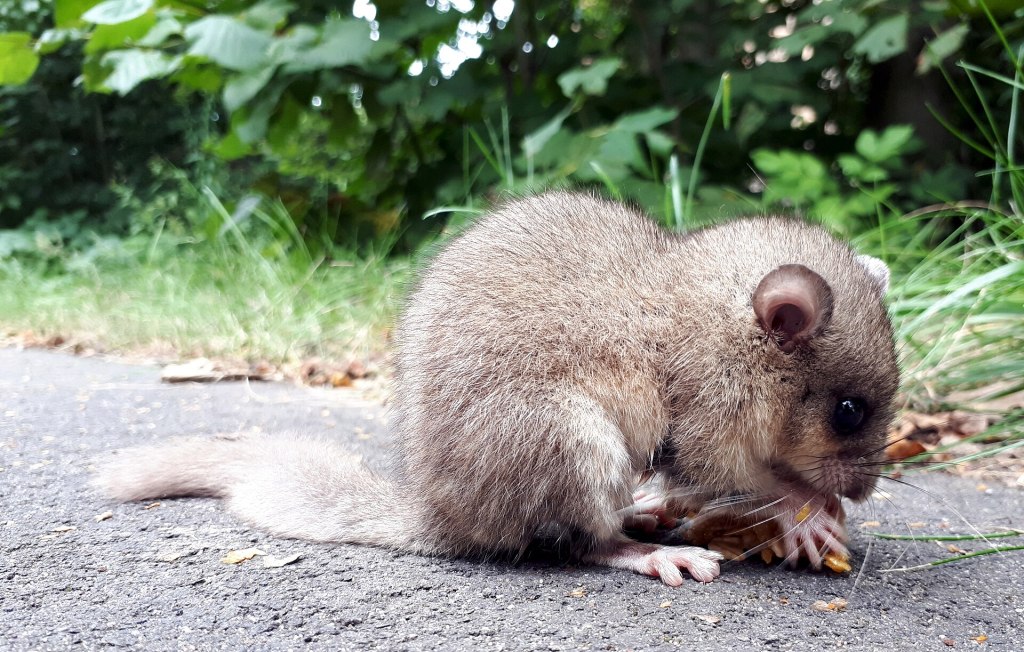
Photo taken at the Fuldatal near Kassel, Hesse in Germany in August 2019
(Image source: Wikipedia)
In the abstract, the authors conclude that the lynx in this region has an opportunistic nature, as they are driven by the availability of their prey rather than their preferences for a certain prey.
It’s not a lot of information, because I can’t really afford buying a scientific article every time, but I hope it was still somewhat satisfactory.
Sources
Danish zoo asks for unwanted pets to feed its predators
https://www.bbc.com/news/articles/c0r7z2ynd2lo
Diet of Eurasian lynx Lynx lynx in the northern Dinaric Mountains (Slovenia and Croatia)
Not Open Access
https://link.springer.com/article/10.1007/s13364-011-0032-2
Reh (Capreolus capreolus)
https://www.jagdverband.de/zahlen-fakten/tiersteckbriefe/reh-capreolus-capreolus
Book: Einführung in die Umweltethik
Author: Christoph Sebastian Widdau
Publisher: Reclam
Language: German
Pages: 150
Price: €6,00
(p. 69, 72 ff., 75-91)
 Baroque